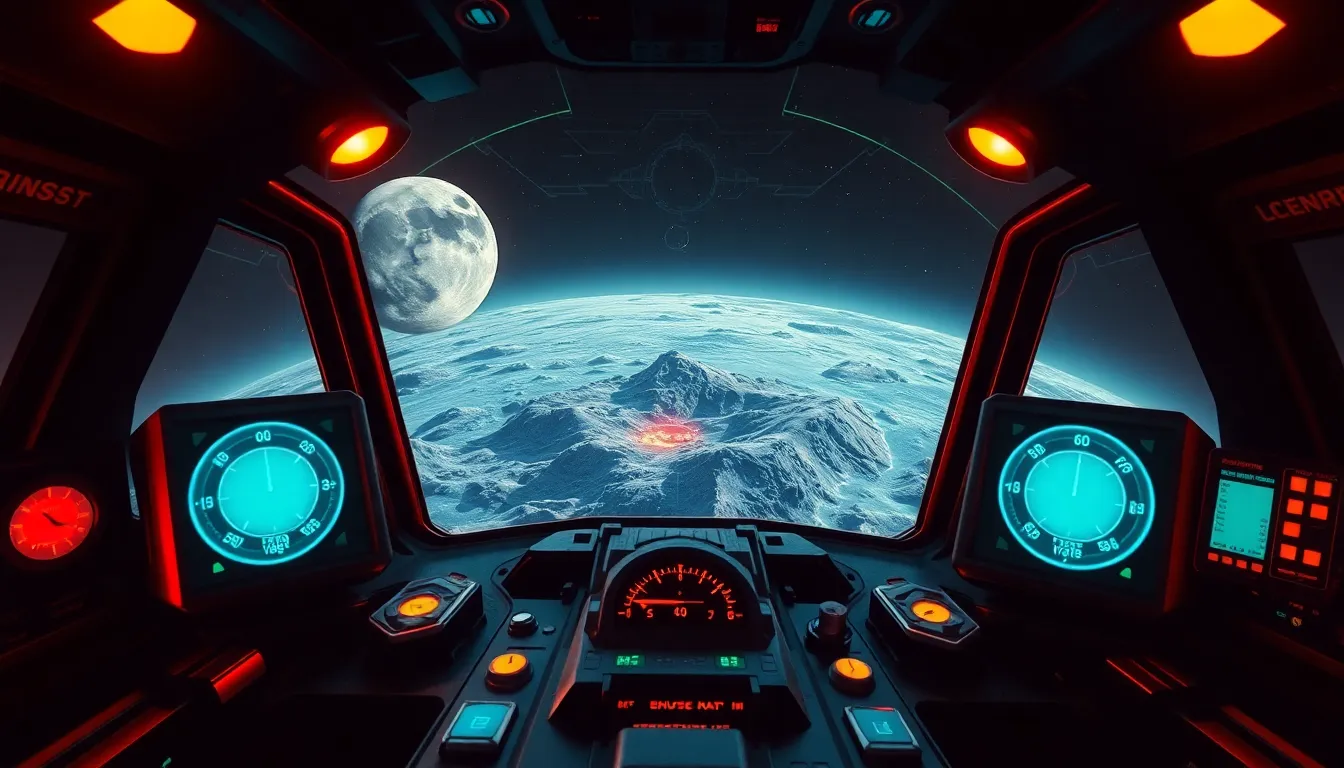
Command Rocket Jets & Rayguns Across 1962 Orbit.
Pilot needle-nosed rocket fighters, plot parabolic trajectories across planetary craters, and trade laser salvos in a bold atomic space race where every thruster burn and radar lock decides interplanetary supremacy.
Interplanetary Tactical Manifest
Tap Open Each Classified Space Program Folder
Astra-Vanguard: 1962 breaks combat into high-stakes vector encounters. Read through our core combat mechanics, vacuum survival rules, star maps, and rocket hanger engineering dossiers below.
In mid-1962, humanity did not simply land on the moon—they stumbled across dormant atomic resonance caches that instantly made chemical rocketry obsolete. Within twenty months, supersonic needle craft armed with pulse-arc turrets and analog magnetic gyroscopes staked claims across orbital altitudes.
You step into the pressure suit of Commander Valerie Vance, lead test ace for the United Solar Directorate. Your objective is not passive diplomacy: rogue corporate prospectors and unaligned space brigades are actively siphoning reactor core depots along the lunar rim.
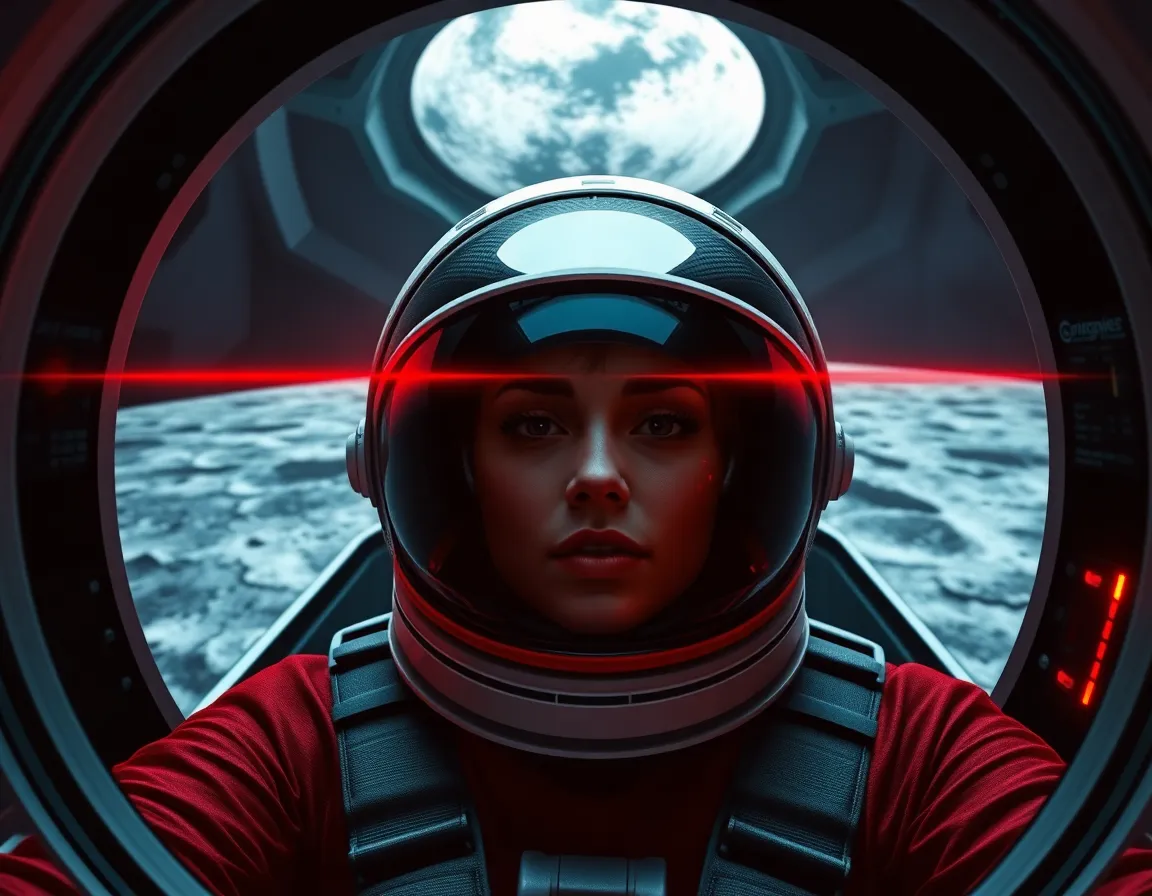
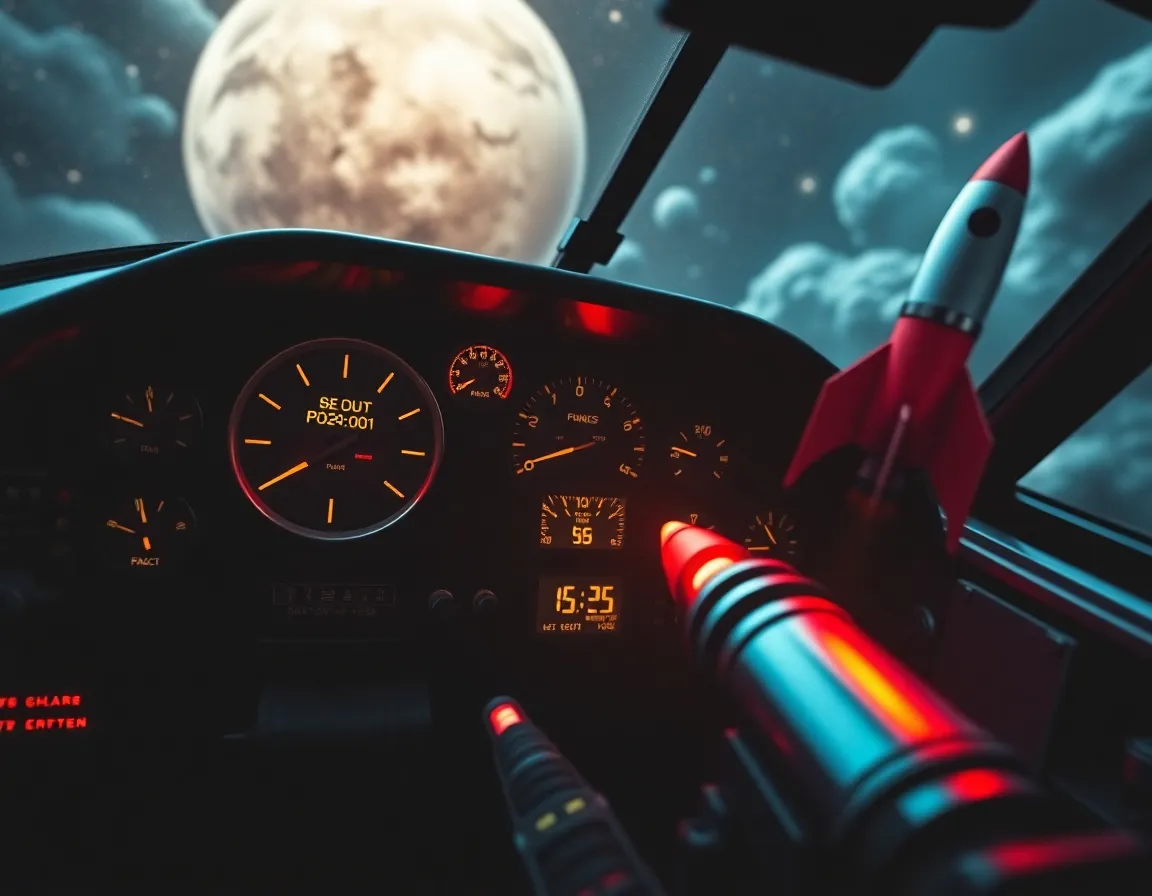
Experience a unique tactical flight model combining 1960s aeronautic manual toggle switches with strict vacuum physics. To line up a shot on an enemy interceptor drifting at 1,400 meters per second, you must decouple your nose alignment from your flight trajectory.
Manage vacuum-tube avionics that overheat during sustained bursts. Divert coolant fluid to your nose ray emitter or vent steam into orbit to cool cockpit life-support banks before high-G maneuvers knock your pilot unconscious.
Choose loadouts customized for dogfight skirmishes or dreadnought siege raids. The Thunderbolt Twin Raygun melts pressurized hulls with concentrated microwave energy, while the Heavy Cobalt Rocket unleashes a delayed shockwave capable of knocking escort fighters out of formation.
Deploy countermeasure pods with aluminum foil ribbon storms to blind analog cathode radar arrays, forcing adversaries to rely on naked optical targeting through cockpit glass.
- ✦ MK-IV Gamma Coaxial Blaster
- ✦ Sol-3 Proximity Mine Dropper
- ✦ Overcharged Copper Magnetron Beam
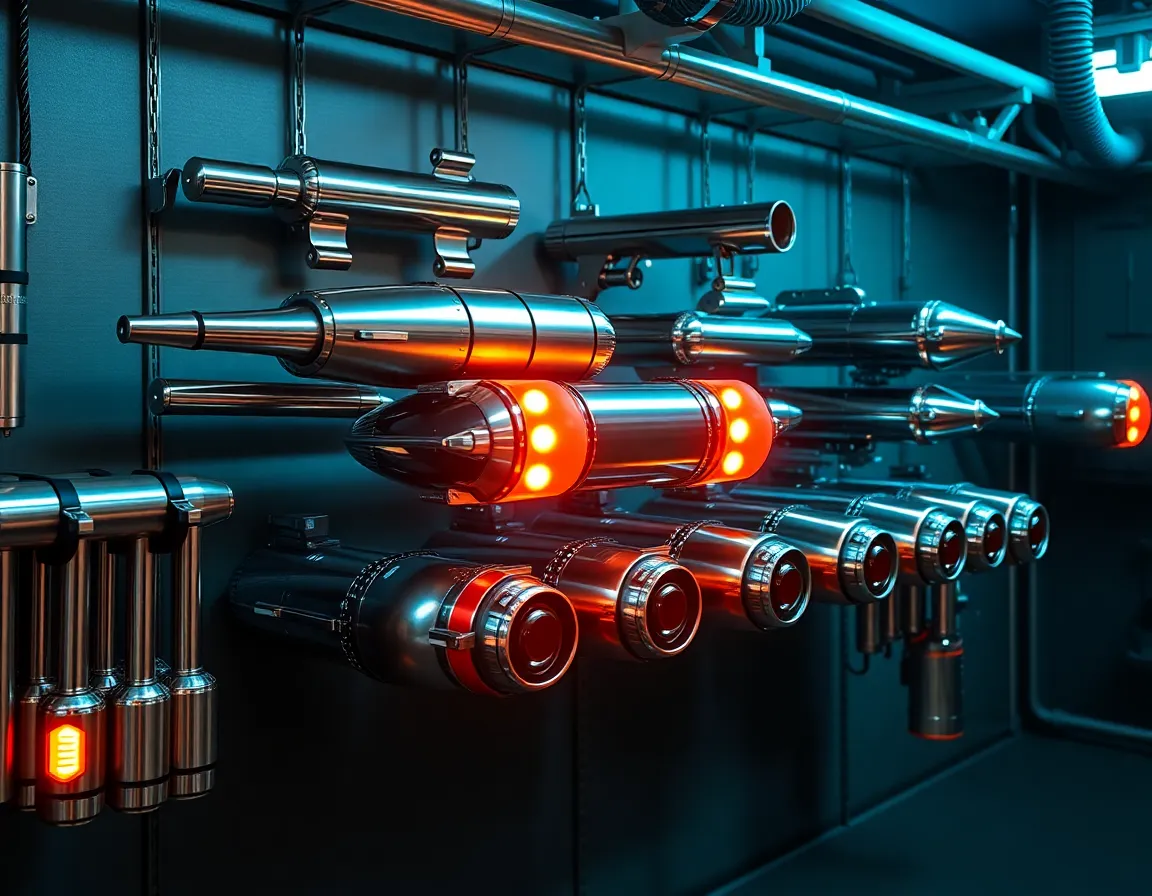
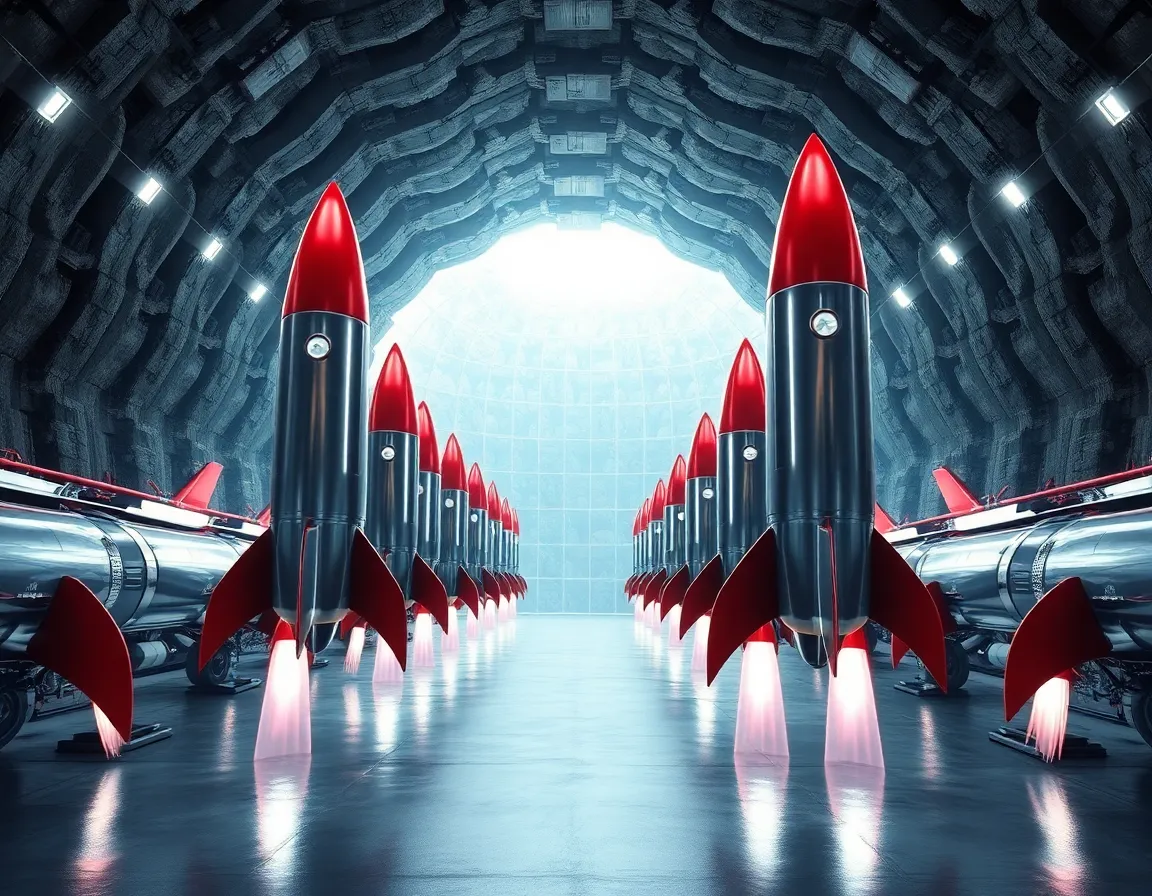
From the nimble Sparrow-9 interceptor with sweeping boomerang tail fins to the monolithic Atlas-Colossus frigate boasting four pressurized gun bays, each starcraft features custom flight envelopes, unique cabin geometry, and authentic mechanical dash switches.
Customize your craft in the underground Stonevale Rocket Works: tune nozzle expansion ratios, bolt on external auxiliary fuel tanks for extended deep-space pursuit, and apply classic two-tone enamel paint schemes.
Missions are dynamic battlefields where gravity is both shield and weapon. Slingshot around lunar mountain peaks to ambush enemy convoys, take shelter inside the shadow of Saturn's ice rings to evade long-range radar scans, or board derelict orbital relay platforms to recover lost telemetry tapes.
Every mission includes branching objectives: rescue stranded ranger capsules, disable flagship radar domes, or sabotage atomic refinery drills before reactor runaway triggers solar flare shockwaves.
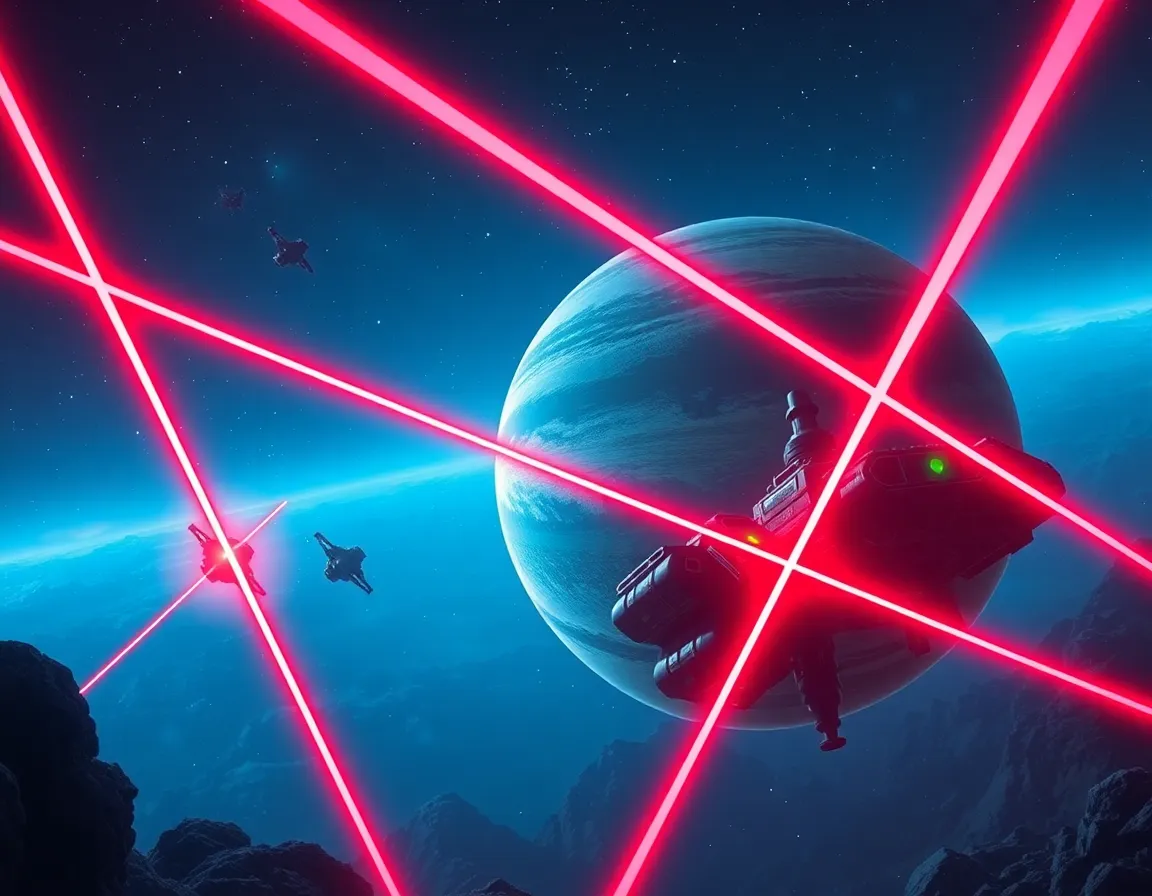

You are never alone in the vacuum. Your co-pilot reads out analog gauge tolerances, flags cloaked radar echoes, and manages emergency fire suppressors when incoming flak breaches the wing bays.
Build trust through successful escort runs and dialog choices during long orbital patrol transit times. A loyal radar officer will anticipate enemy missile locks fractions of a second faster, giving you the edge in high-deflection dogfights.
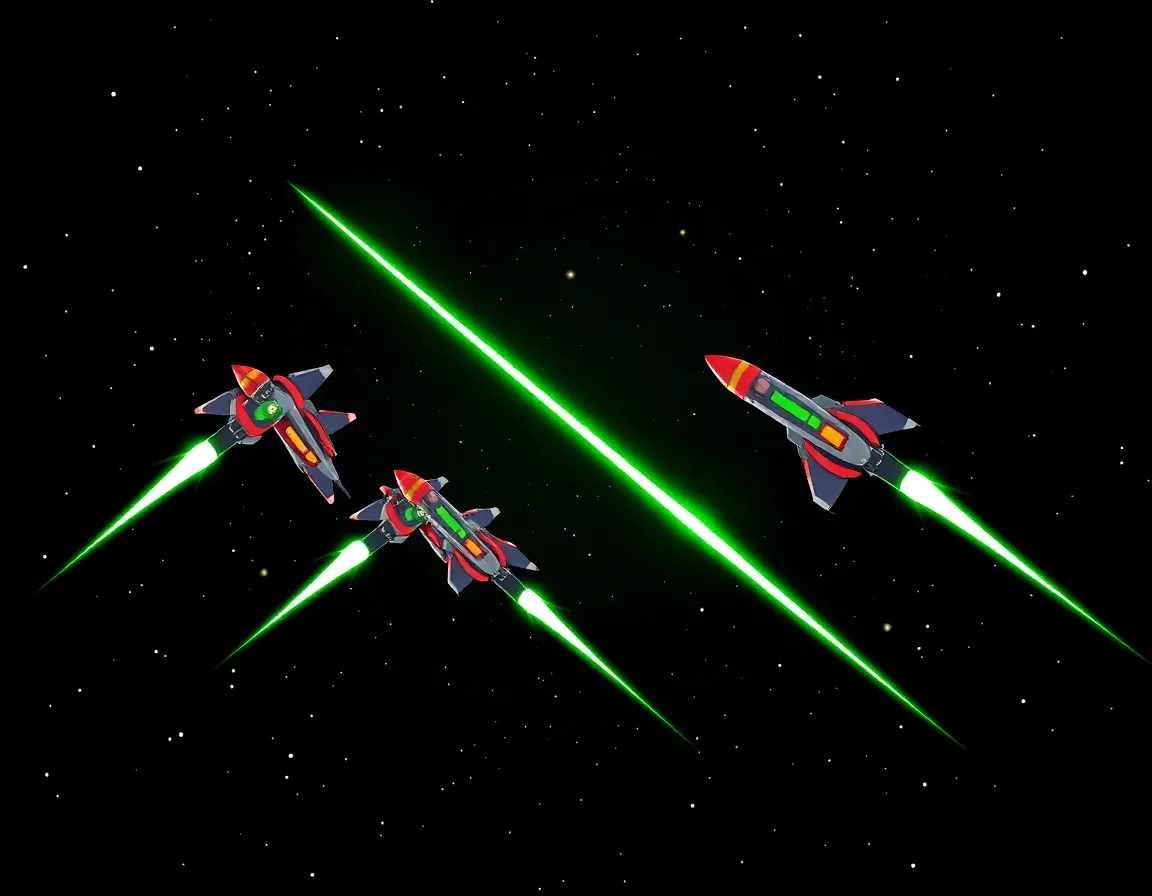
Squadron-vs-Squadron mode pairs eight rockets against eight in pure skill-based dogfighting around planetary defense grids. Use orbital junk fields as line-of-sight blockers, execute coordinated torpedo runs against enemy capital dreadnoughts, and earn commemorative pilot patches.
Host custom skirmish servers with modifiable Newtonian parameters: crank up gravitational drag for brutal orbital decay duels or shut off all proximity radar indicators for pure visual cockpit hunting.
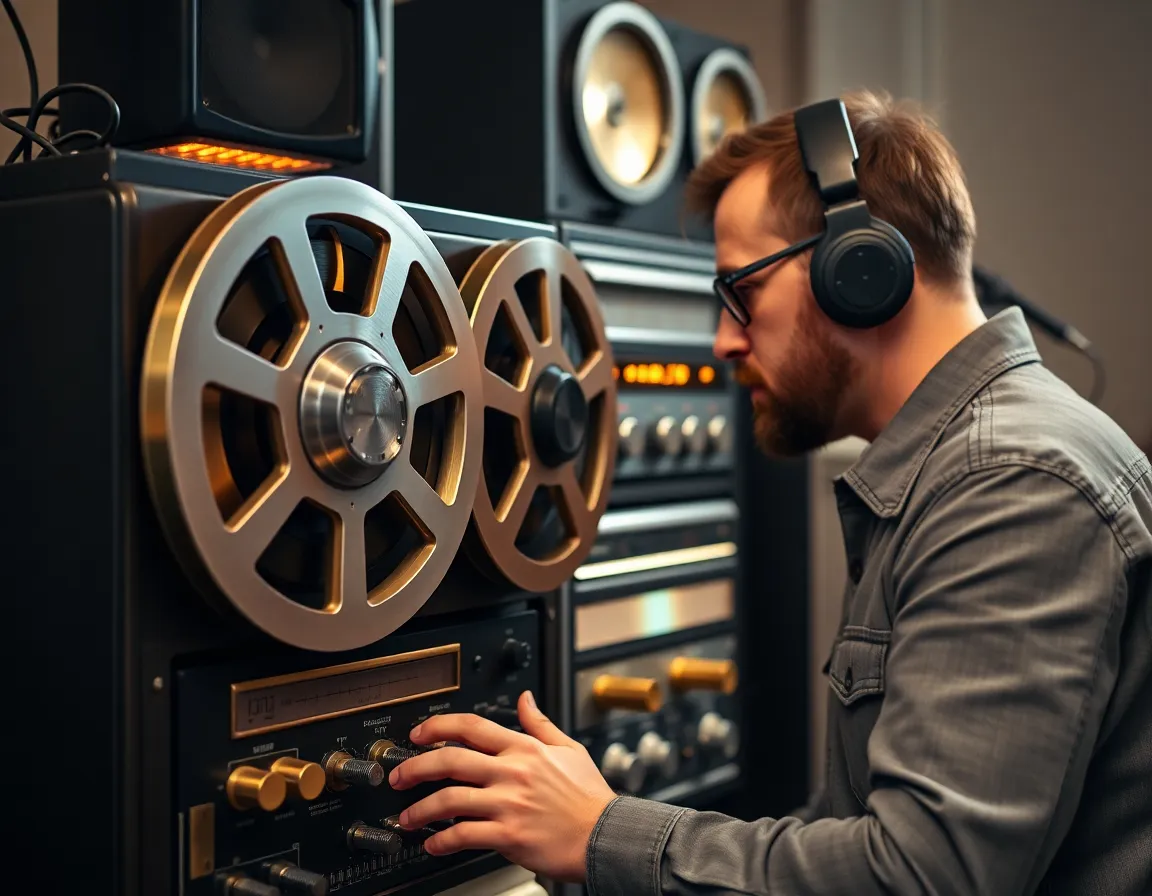
The original soundtrack blends the optimism of mid-century space jazz with the spine-chilling dread of silent vacuum warfare. Dynamic audio reacts in real time to your hull integrity: when your cabin loses pressure, the sweeping horns muffle into a hollow, heartbeat-driven drone.
Every click of a cockpit breaker switch, whine of the turbo-supercharger, and hiss of liquid oxygen valves was captured from real decommissioned aerospace hardware to immerse you completely in the era.
Why We Built Astra-Vanguard: 1962
Modern space video games often treat the cosmos like an endless sheet of dark glass populated by faceless glowing polygons and hyper-automated targeting computers that play the encounter for you. In Astra-Vanguard: 1962, we wanted to transport players to the electrifying moment when space exploration felt daring, raw, and unmistakably physical. Our cockpits are not sterile digital cages; they are cramped chambers of riveted sheet metal, vibrating mechanical gyrocompasses, and vacuum tubes that glow like warm embers when you punch the throttle past Mach 4.
We built this video game for players who crave authentic tactile thrill—gamers who want to flick manual fuel dump switches, lead ballistic targets by hand through crosshairs etched directly on the windshield, and fight for every solitary meter of orbital altitude. The atomic retro-future is not a joke or a parody here; it is an alternate timeline approached with total craftsmanship, unvarnished mechanical reverence, and breathless interplanetary wonder.
Glimpses from the Orbit Line
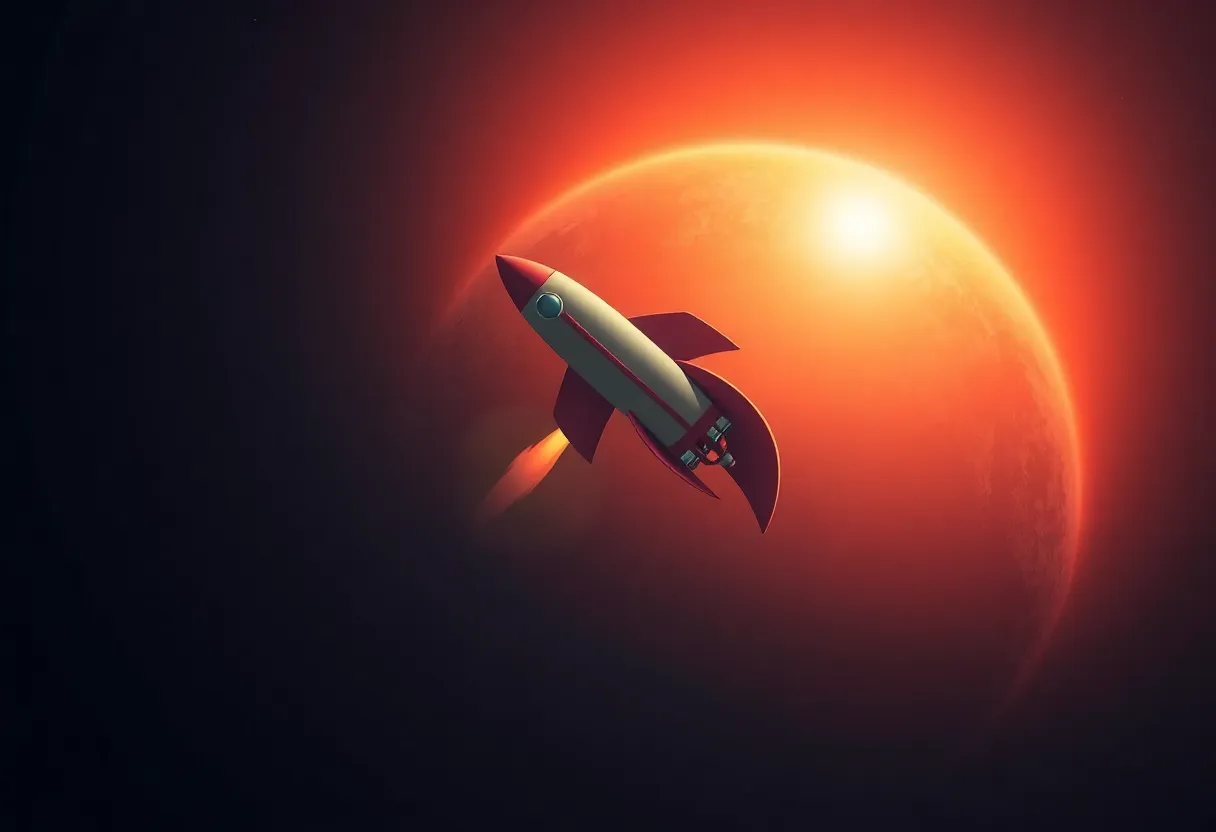
Atmospheric Entry Burn
Managing friction ablation plates during re-entry combat skirmishes.
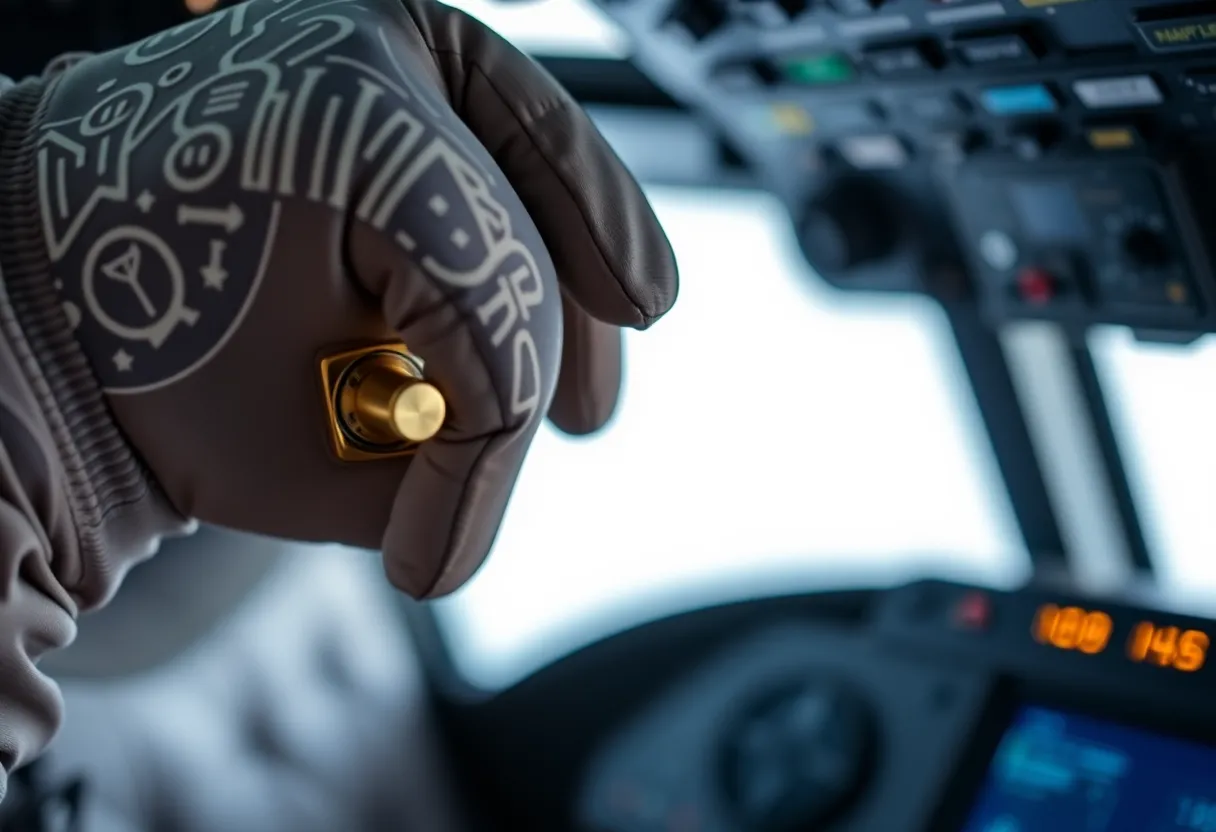
Manual Cockpit Switches
Physical cockpit interactions where toggling breaker valves redirects shield generators.
Orbital Defense Ring 7
Multi-stage raid encounters over mankind's earliest interplanetary ring platform.
Enlist in the Flight Program
Submit your credentials for upcoming testing windows and transmission communiques.
Astra-Vanguard: 1962 is an original tactical space flight video game production. All ship designs and universe lore are registered works.